
FROM OUR BLOG
September 4, 2025
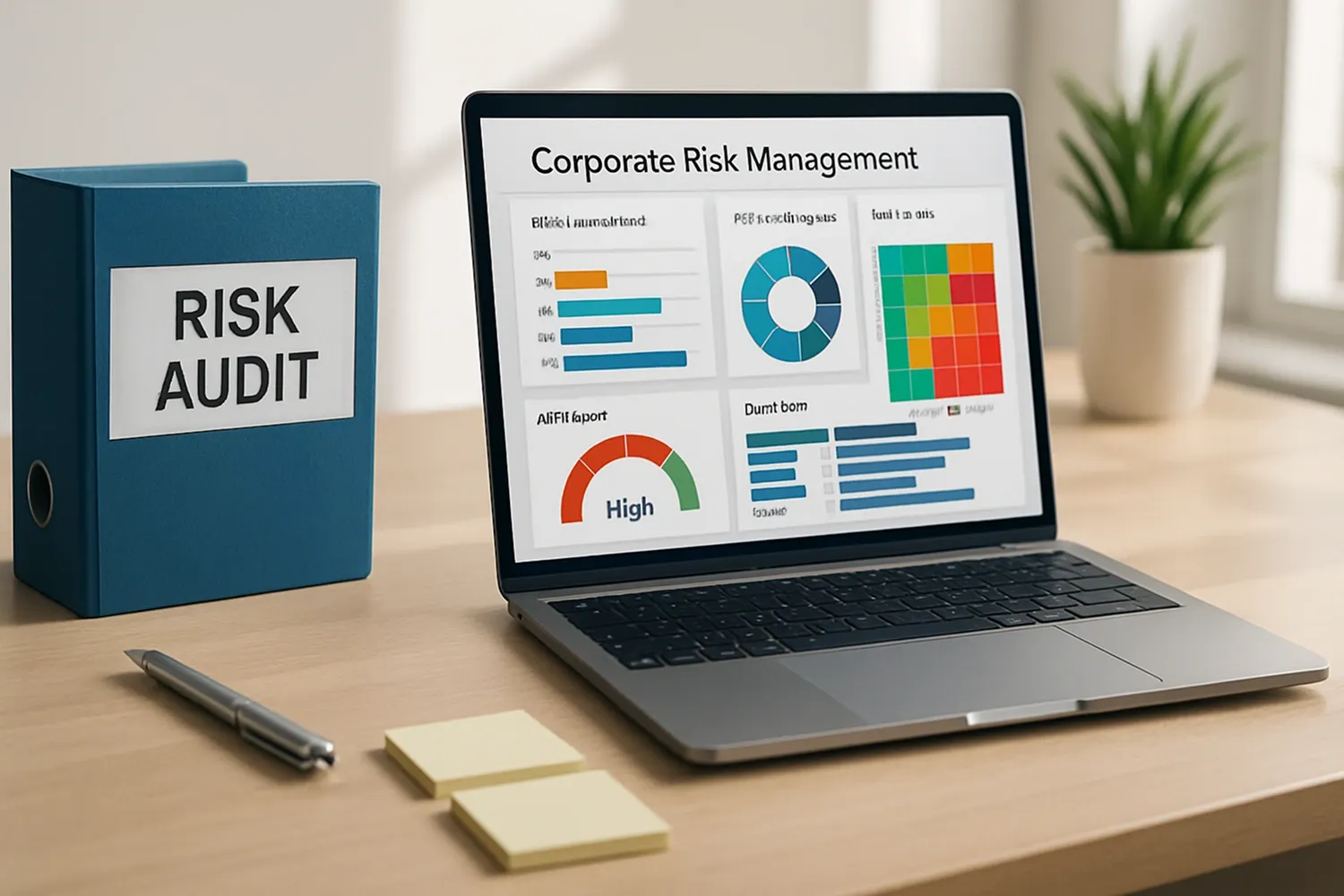
In today's increasingly volatile corporate landscape, organizations can be exposed to a multitude of risks—financial compliance issues, third-party risk, and everything in between. Many organizations rely on a formalized risk management audit checklist to understand, assess, and manage risk in the organization to ensure the company remains resilient. This article will provide the risk management audit definition, describe the audit process, and discuss why a risk management audit is important to sustainable business growth.
A risk management audit involves a systematic assessment of how an organization identifies, assesses, and manages its potential risk exposures. The risk management audit process not only tests compliance, but also determines if the organization is properly prepared for the unexpected. In layman's terms, the risk management audit definition is simply measuring the organization's policies, controls, and procedures to protect their financial health, operational capacity, and corporate reputation.
For companies that do business with a variety of suppliers/contractors, you will need a vendor risk management audit checklist. As part of the checklist, it is important to assess whether the third-party vendor has the ability to meet the required standards in relation to their organization, and to ensure that they comply with your data security protocols and legal obligations. A well-structured Audit & Assurance approach also helps validate that vendors align with compliance needs, reducing the chances of exposing the company to fortuitous risks through third-party relationships.
The aim of risk management is to put a structure around uncertainty. Organizations identify potential risks before they materialize, which aids in cutting the potential for financial losses related to a fear, and protects the interests of stakeholders, covering every aspect of business continuity. A strong Internal Control & Risk Assessment framework further ensures that unpredictability is systematically managed, helping organizations turn potential disruptions into acceptance and resilience.
Many executives are still asking “why is risk management important?” Risk management is fundamentally a way to safeguard both long-term strategy and operational practices in the present. Good risk management prevents penalties, promotes stronger governance, and helps build trust with clients and partners. For companies within heavily regulated industries (e.g., banking, healthcare, or auditing), lack of risk management can lead to millions in fines and penalties, damage your reputation, or even threaten your business operations. Implementing robust Data Protection & Privacy Compliance measures is a critical part of minimizing these risks and ensuring regulatory adherence.

A risk management checklist that has been carefully created will ensure all significant areas are addressed. Below are some elements that are usually included when developing a risk management audit checklist:

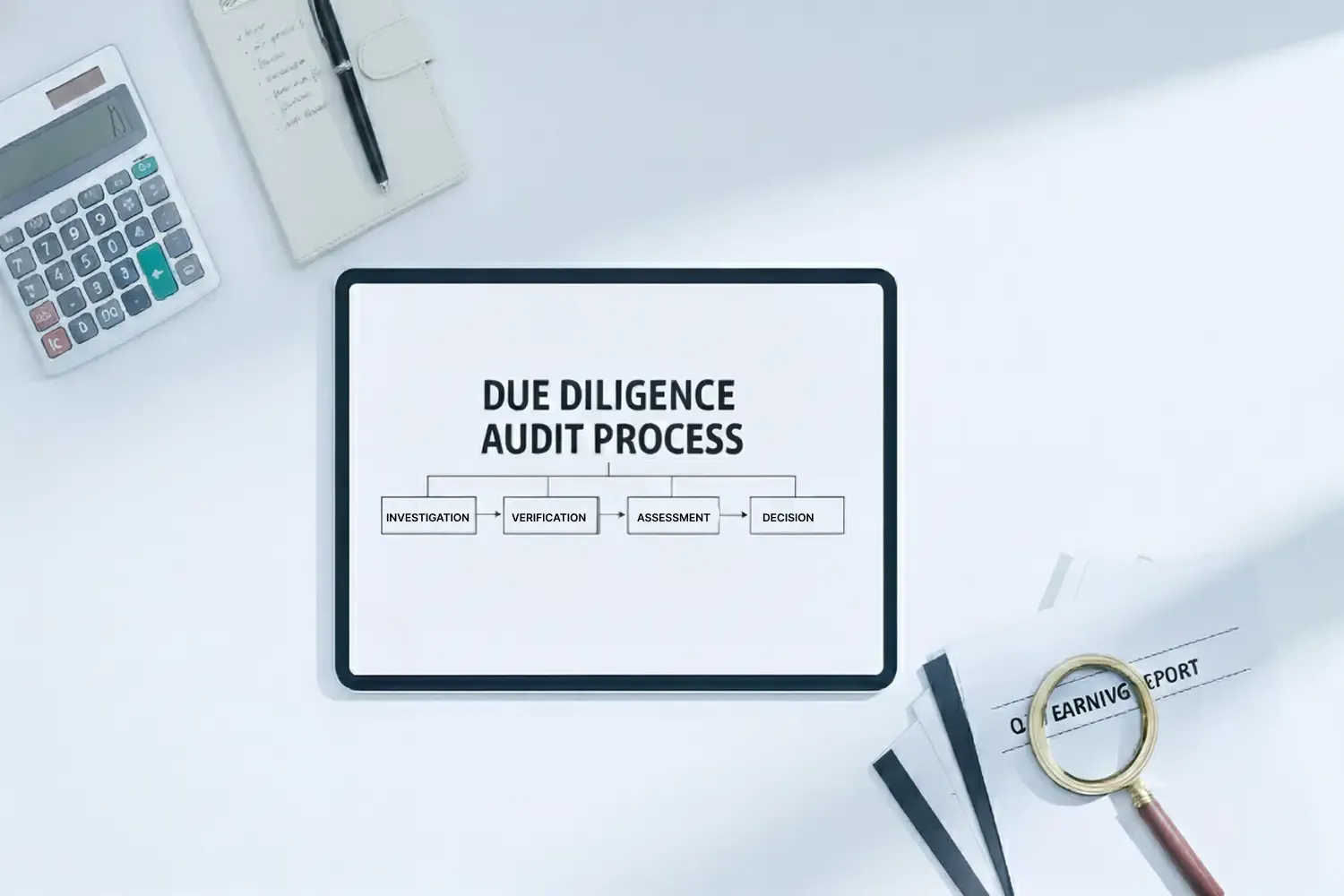
The success of an audit is achieved through a formal process. In auditing risk management, the risk management process consists of:
Some organizations will choose to utilize a third-party contractor to support or enhance an existing audit process. What is a risk management consultant? A consultant is a subject matter expert, who advises on best practices, assists with the design of a customized framework, and secures independent assessments of the organization's risk posture. Organizations operating in high-risk sectors or handling complex financial transactions can also benefit from specialized services like Anti-Money Laundering (AML) Compliance to ensure regulatory adherence and mitigate exposure to financial crimes. Search firms are often expensive and perceived as irrelevant unless the stakeholder is in a new market, navigating regulatory changes, or managing the checklist of an expanding supply chain.
Risk management is not a nice-to-have. It is now a necessary strategy. From risk management audit checklists to auditing the risk management process, the profession has a rich set of opportunities to pre-empt challenges, protect assets, and improve company sustainability. Organizations that embrace risk management, working in-house or with a risk management consultant, can leverage Business Advisory & Corporate Solutions to gain strategic insights, optimize operations, and maintain a competitive advantage in a deliberate and unpredictable environment.
A risk management audit checklist is an organized framework used by auditors to assess the organization’s risks, risk management processes and controls over risks. In this way, checklists also to ensure that the auditor is covering all financial, operational, compliance and vendor risks across the organization.
The purpose of risk management is to reduce risk-related uncertainty and to protect the organization’s business objectives. Risk management helps the organization identify potential risks and potential risks to instigate loss, it helps them minimize their financial loses, and limit regulatory exposures, and increases trust in stakeholders.
Risk management is important to the business as it may limit the impact of regulatory fines and penalties, it protects organizations assets, protects business continuity, builds credibility. If businesses have not considered risk management processes, that would potentially have higher financial and reputational damages to deal with.
A vendor risk management audit checklist will typically typically cover evaluating supplier, and basic supplier compliance, data and data security policies, a blanket check on a supplier’s financial position, and check they are overseeing any of their legal and regulatory obligations to comply. Having a formal vendor risk management audit checklist allows any business, to ensure that any third-party relationships does not expose them to un-necessary risks.
Auditing risk management processes are typically subdivided into; Planning, Information Collecting, Assessing with Stakeholders, Testing Internal Control policies and Procedures, Performing Volume comparison of the organizations activities to one or potentially more Regulatory or compliance standards, Reporting with recommendations for corrective action.
A risk management consultant is a consultant who assists organizations in their identification, assessment and mitigation of risk. They help to develop frameworks, conduct independent reviews, provide other assurance services, and support businesses in identifying and addressing their compliance and regulatory challenges
A risk management checklist should consider: policy reviews, risks identified, likelihood and impact assessment, controls testing, compliance check, vendor assessments, and documentation of findings with identified follow up actions.


ALYAH
Unit Number: 2401
Preatoni Tower, Cluster L, JLT, Dubai

+971 42873327

sales@alyahaudit.ae
Click to open in Google Maps