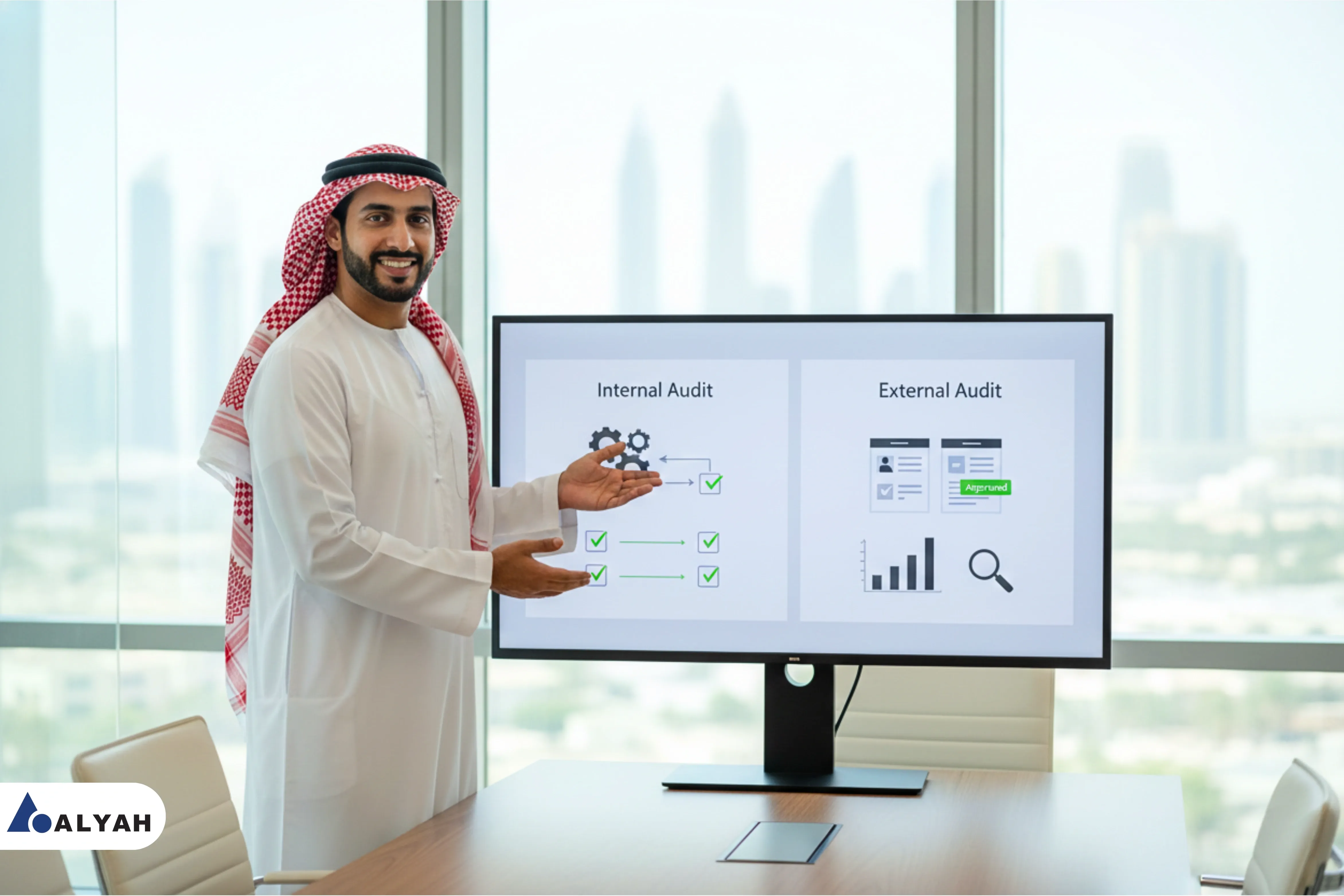
A tax audit is an official review of a person’s or company’s tax affairs by the UAE Federal Tax Authority (FTA) (or authorised authorities). In practice, the FTA examines your financial records to ensure all applicable taxes (VAT, excise, corporate tax, etc.) have been calculated correctly and paid on time. In other words, it’s the government’s way of checking that “every liability is paid and every tax due is collected” within the legal deadlines. This process is governed by UAE’s Tax Procedures Law (Federal Decree-Law No. 7 of 2017) and applies to any taxable person in the UAE, including businesses large and small.
During a tax audit, FTA auditors will typically request your VAT returns, invoices, ledgers, bank statements and other supporting documents. They verify that output and input taxes have been correctly reported and that zero-rated or exempt supplies are properly documented. Unlike a financial or statutory audit (which checks your accounting records for general accuracy), a tax audit focuses specifically on tax compliance – making sure the right taxes were paid at the right time under UAE law.
Tax Audit Procedure in the UAE
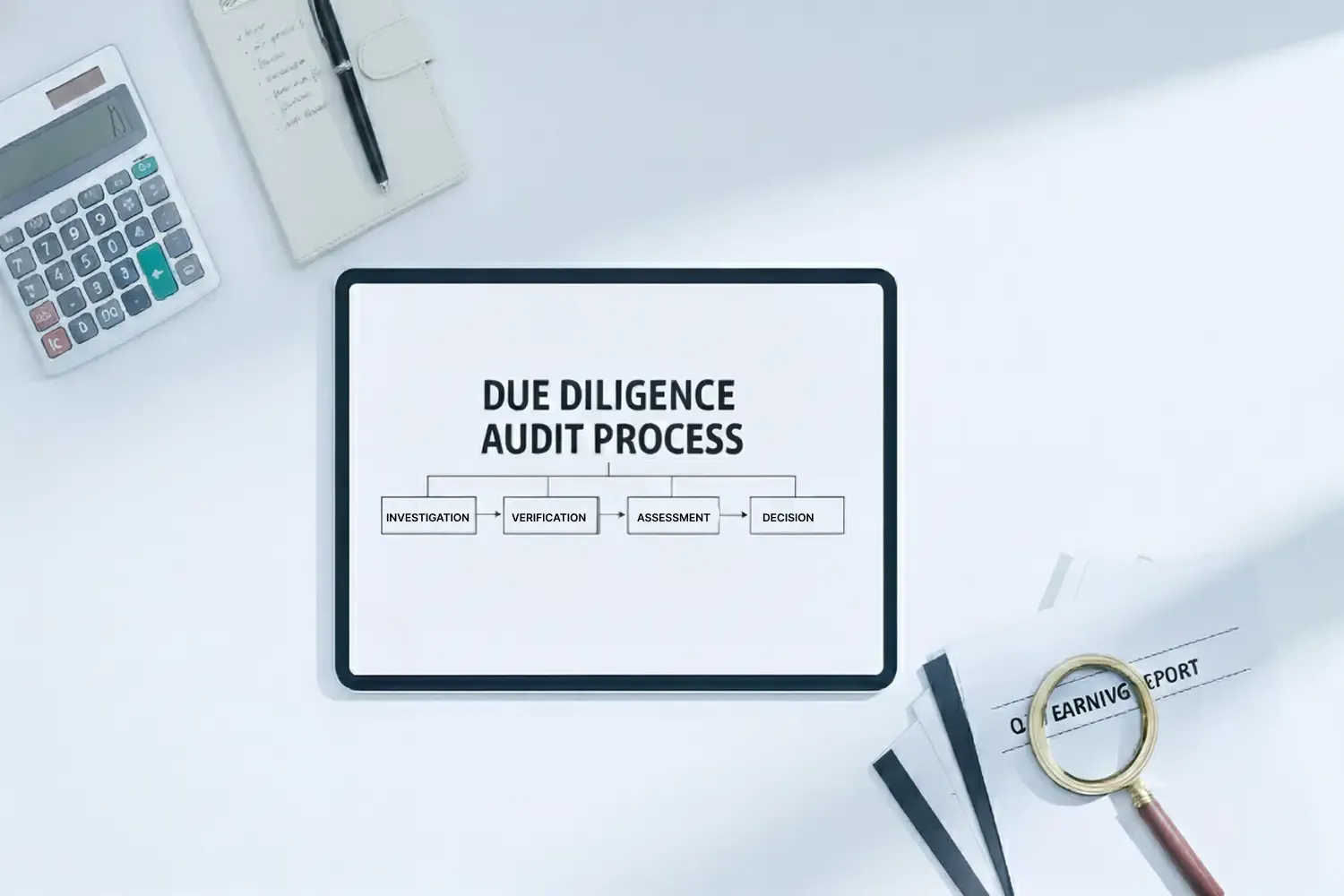
The UAE’s tax audit process generally follows these steps:
Selection and Notice: The FTA may decide to audit any business or person at any time (there is no need for a specific reason). Typically the FTA sends a written notice at least 5 days before the audit, specifying the schedule, venue and scope. In exceptional cases (e.g. suspected fraud), the Director-General can even order an unannounced audit, but normally audits occur in official working hours.
Opening Meeting: On the audit date, the FTA auditors meet you (and your accountant or tax agent, if present). You can ask to see the auditors’ official ID cards to verify their authority.
Document Examination: The auditors then review your tax records on-site. They will ask for copies of invoices (issued and received), ledgers, financial reports, bank statements and other documents. According to VAT law, businesses must keep these records for at least five years. The auditors may take samples of goods or assets if relevant. You are expected to fully cooperate and provide all requested information.
In cases where documents need to be officially validated for compliance, businesses may also require document legalization and attestation services in the UAE to ensure records are accepted by authorities during the audit.
Preliminary Findings: As auditors work through your files, they may point out discrepancies or missing documents. If anything is unclear, they can ask follow-up questions. The company’s legal representative (or tax agent) can be present to clarify matters.
Finalisation: Once the audit work is complete, the FTA will summarise any findings. If no issues are found, you get a clean audit. If errors or omissions are discovered, the FTA issues a tax assessment for any difference, plus penalties and interest. For example, a recent UAE cabinet decision imposes a fixed penalty of 15% on the undeclared tax amount, plus 1% per month until payment, in cases where an audit reveals unpaid corporate tax. (VAT penalties are similarly steep – e.g. failing to cooperate can trigger fines starting at AED 20,000.)
Post-Audit Rights: After the audit, you have the right to request a copy of the audit report or any data used. If you disagree with the FTA’s findings, you may file a notice of objection or even initiate an appeal per UAE tax law (often within 20 business days).
Key Points: The entire process is meant to be transparent and within the law. The FTA must conduct audits in line with Article 17 of the Tax Procedures Law, giving prior notice and respecting working hours. Businesses have the right to assistance (legal or tax representation) throughout the audit. In practice, cooperating fully and responding promptly is crucial – obstruction or delay only makes fines more likely.
Tax Audit Services & Consulting
To navigate tax audits smoothly, many companies rely on professional tax audit services and consulting. These specialists (often part of audit firms) help clients prepare for audits and handle the process. Common tax audit services include:
Pre-Audit Compliance Reviews: Consultants examine your records before an audit. They check your accounting system and software to ensure it captures VAT/excise correctly. They verify that output and input tax calculations are done at the correct rates (e.g. standard 5% VAT). They review your filed VAT returns line by line to ensure accuracy. They also confirm that any due tax has been paid on time. This helps catch errors early.
Record-Keeping Advice: Experts advise businesses on maintaining the required documentation (invoices, contracts, expense receipts, etc.) and retaining them for the mandatory 5–7 years. Proper document management is a core part of audit readiness.
Representation During Audit: Many firms offer to accompany you (or act on your behalf) during the audit. A tax auditor or agent can explain the business details to FTA auditors, answer questions, and hand over documents. Their experience can speed up the process and prevent misunderstandings.
Post-Audit Support: If an audit results in a tax assessment, consultants help review the findings and suggest whether to accept them or file an objection. They can also assist with voluntary disclosure (correcting past filings) if needed. Following up with payment plans or appeals is also part of advisory.
Audit, Tax & Advisory Solutions: Some firms advertise a combined “Audit, Tax and Advisory” service package. This means beyond tax audits, they handle your annual statutory audit, tax filings, and ongoing advice on tax planning and compliance. For instance, Alyah Auditors & Accountants in Dubai offers both VAT/corporate tax consulting and statutory audit services to give a one-stop solution for clients.
In short, tax audit consulting helps you stay organised and prepared so that an FTA audit is a routine check, not a panic. As one DMCC report notes, “A tax consultant can help you to be always organised so that when your company is requested for an audit… you are all set up to face the tax audit”. Engaging such services can save time, avoid penalties, and provide peace of mind.
Preparing for a Tax Audit: Best Practices
To minimise audit risks, businesses and self-employed individuals should adopt good tax compliance habits:
Maintain Accurate Records: Keep all invoices (sales and purchase), credit/debit notes, bank statements, payroll and other books up to date and easily accessible. A well-organised filing system (digital or paper) is essential. Remember that the FTA requires retention of records for at least 5 years. For businesses that need professional support in managing salaries and employee data, opting for payroll services can ensure accuracy and compliance.
Use Compliant Accounting Software: Ensure your accounting or ERP system is configured for UAE VAT. It should automatically capture VAT on sales and purchases and produce correct tax reports. As a rule of thumb, review the system periodically to prevent “inconsistency with recorded transactions”.
Double-Check Tax Calculations: Verify that VAT on outputs (sales) and inputs (purchases) is computed correctly at the 5% standard rate (or 0% for exports). Check that exempt or zero-rated items are coded correctly and have supporting documents. Any miscalculation in VAT or tax credits is a common red flag.
Timely and Accurate Filings: File your VAT returns (and now corporate tax returns) by the deadline, with complete and correct information. A misfiled return or late submission can trigger an audit. Use the official FTA portal and consider having a second set of eyes (e.g. a consultant) review the return before submission.
On-Time Payments: Pay all tax due (VAT, corporate tax, etc.) on or before the due date. Missing a payment or deadline draws unwanted attention. As DMCC notes, ensuring “the correct amount of tax due should be paid on or before the due date” helps avoid negative attention from the FTA.
Internal Reviews: Conduct periodic self-audits or internal reviews. This can be as simple as reconciling your tax outputs to financial statements or having your team (or external auditor) simulate an FTA audit to spot issues early.
Cooperate Fully: If the FTA contacts you for an audit, respond promptly. Provide documents within the requested time (typically 5 working days to prepare) and be available for meetings. Businesses that fail to cooperate can face fines starting at AED 20,000.
Seek Professional Help: Stay updated with changing tax regulations. A trusted UAE tax advisor or audit firm can guide you on new rules (like corporate tax) and help prepare for audits.
Taking these steps doesn’t guarantee you’ll avoid all audits, but it greatly reduces the risk of finding unpleasant surprises when the FTA comes knocking.
Businesses and Individuals: Who Can Be Audited?
In the UAE’s tax system, both companies and qualifying individuals may be subject to tax audits, though the obligations differ:
Businesses (Companies & Free Zone Entities): Any company registered in the UAE (or its free zones) with taxable activities can be audited. Since 2018, all businesses that cross the VAT threshold (AED 375,000 turnover per year) must register for VAT, making them audit targets. As of June 2023, UAE also has a 9% Corporate Tax on business profits above AED 375,000 (with a 0% rate for smaller profits). Natural persons and companies with business income over AED 1 million/year must register for corporate tax. Registered companies will eventually be audited on their corporate tax returns just as they are on VAT filings. In short, if your business is registered for VAT or corporate tax, it can be audited. Large corporations (especially those with revenues exceeding AED 50 million) are also required by law to have annual financial statements audited by a licensed auditor, which integrates with the FTA’s tax reporting.
Individuals (Self-Employed/Freelancers): The UAE does not have personal income tax on salaries, so ordinary employees don’t face personal tax audits. However, many expats and locals run side businesses or freelance. Such individuals are treated like sole-proprietors: if their taxable supplies exceed AED 375,000, they must register for VAT; if their business turnover exceeds AED 1 million, they register for corporate tax. In these cases, they are “taxable persons” and must keep records just like companies. For example, UAE freelancers are advised to keep VAT invoices and financial records for at least 5 years “in case of audits or FTA checks”. In practice, this means a freelance graphic designer or consultant in Dubai can be audited on their VAT filings if registered.
Exempt Individuals: Pensioners or employees with no business are not audit targets, since they have no UAE tax filings. But the moment an individual engages in a taxable business activity (like rental income, online sales, consulting), they enter the tax net and become subject to the same audit procedures as any other tax registrant.
Tax Audit in Dubai and Across the UAE
All the rules above apply federally, including Dubai. Whether you’re in Abu Dhabi, Sharjah, or any Emirate, the Federal Tax Authority enforces VAT and corporate tax audits. Dubai’s government and free zones (e.g. DMCC, DIFC) cooperate with these laws; there is no separate “Dubai VAT” or “Dubai tax audit” beyond the federal system.
For Dubai-based businesses, this means FTA auditors might visit offices in JLT, Business Bay or anywhere else in Dubai. Fortunately, Dubai also has many local accounting firms and consultants (like Alyah in Dubai) that specialize in UAE tax audits and advisory. In fact, Alyah’s Audit & Assurance and Tax Strategy & Compliance teams work together to help Dubai companies prepare for FTA audits. When you search for “tax audit Dubai” or “tax audit services Dubai”, you’ll often find Dubai-based firms offering audit readiness reviews, liaising with the Dubai branch of the FTA, and guiding companies through the specific requirements (like Emirate-specific invoicing or local Emirate taxes, which may still involve FTA oversight).
In summary, location-specific factors (like being in a free zone or mainland Dubai) mostly affect your business setup, but tax audit rules are the same nationwide.
FAQs
1. What is the tax audit?
A tax audit in the UAE is an official review by the Federal Tax Authority (FTA) of a business’s records to check compliance with tax laws. It involves examining financial and VAT/corporate tax returns to ensure all tax liabilities have been correctly calculated and paid
2. What is the limit of tax audit?
By law, the FTA can audit a taxpayer’s records for up to five years after the end of a tax period. An amendment in 2023 extended that window to nine years in certain cases (if the FTA notifies an audit just before the original five-year limit expires). For corporate tax purposes, businesses must keep records for seven years, meaning corporate audits can cover that period.
3. What is the most common type of tax audit?
The FTA typically starts with a desk audit, which is an off-site examination of submitted returns and documents. If issues remain unresolved, it may escalate to a field audit, where tax inspectors visit the business premises and review records on-site. In practice, desk (document-based) audits are the most common initial approach
4. What are the types of audits?
There are two main types: desk audits (done at FTA offices) and field audits (on-site inspections at a business location).
5. What are the tasks of a tax audit?
FTA auditors check VAT and corporate tax filings, review invoices and ledgers, and verify that taxes have been correctly calculated and paid.
6. Who is liable for a tax audit?
Any taxable person in the UAE—businesses or individuals registered for VAT or corporate tax—can be selected for an audit.
7. How do I avoid a tax audit?
You can’t fully avoid audits, but you can reduce risk by filing on time, keeping accurate records, paying taxes promptly, and avoiding repeated corrections.
8. Is auditing mandatory in the UAE?
Yes, large companies and businesses with revenue over AED 50 million must have audited financials, and VAT/corporate tax registrants must keep records ready for audit.
9. What is the penalty for tax audit?
There’s no penalty for being audited, but non-compliance can result in fines—such as AED 20,000 for non-cooperation, plus penalties on unpaid taxes.
10. Who is required to get audited?
Public companies, large private firms, and corporate taxpayers earning over AED 50 million must be audited. SMEs may be exempt unless required by law or lenders.