Alyah Logo

FROM OUR BLOG

How a Vendor Risk Management Audit Checklist Can Safeguard Your Organization

September 22, 2025

How a Vendor Risk Management Audit Checklist Can Safeguard Your Organization

In the UAE’s fast-growing business environment, organizations depend on third-party vendors for critical services such as IT support, cloud storage, HR outsourcing, facility management, and even strategic consulting. While outsourcing enables efficiency and cost savings, it also exposes businesses to compliance, financial, operational, and cybersecurity risks.

This is why UAE businesses—particularly in regulated industries like finance, healthcare, construction, and government contracting—must implement a strong vendor risk management audit checklist. The checklist acts as a structured framework to ensure vendors comply with UAE laws, international standards, and your organization’s internal controls.

Understanding Vendor Risk Management in the UAE

Vendor risk management (VRM) is the structured process of identifying, assessing, and mitigating risks associated with third-party vendors. In the UAE, this is particularly important due to:

  • Stringent Data Protection Laws – The UAE Federal Decree Law No. 45 of 2021 on Personal Data Protection (PDPL) regulates how businesses and their vendors collect, store, and share personal data. Organizations can seek guidance through Alyah Audit’s Business Advisory & Corporate Solutions to ensure full compliance.
  • Central Bank of UAE Regulations – For financial institutions, outsourcing to vendors must comply with risk and governance standards defined by the Central Bank.
  • Healthcare Compliance – Healthcare providers must comply with the Dubai Health Authority (DHA) and Department of Health (DOH) requirements when outsourcing medical technology or data storage.
  • Free Zone Standards – Many UAE free zones, such as DIFC and ADGM, have their own vendor risk compliance frameworks aligned with global standards like GDPR and ISO 27001.

Thus, a structured vendor risk management process is not just a best practice—it is a legal and regulatory necessity in the UAE.

Why a Vendor Risk Management Audit is Crucial in the UAE

A vendor audit ensures that third-party providers do not expose your organization to risks that could lead to fines, reputational damage, or operational failures. In the UAE, the consequences of poor vendor management can be severe:

  • Regulatory penalties from the Central Bank or PDPL non-compliance.
  • Contractual disputes due to vague or poorly drafted SLAs.
  • Cybersecurity breaches from vendors handling sensitive customer or financial data.
  • Business interruptions caused by vendor insolvency or supply chain disruptions.

By applying a vendor risk management audit checklist, UAE businesses can safeguard themselves against these threats while maintaining compliance with both local and international standards.

Vendor Risk Management Audit Checklist for UAE Organizations

image 1.webp

Here is a UAE-specific vendor risk management checklist designed to ensure compliance and resilience:

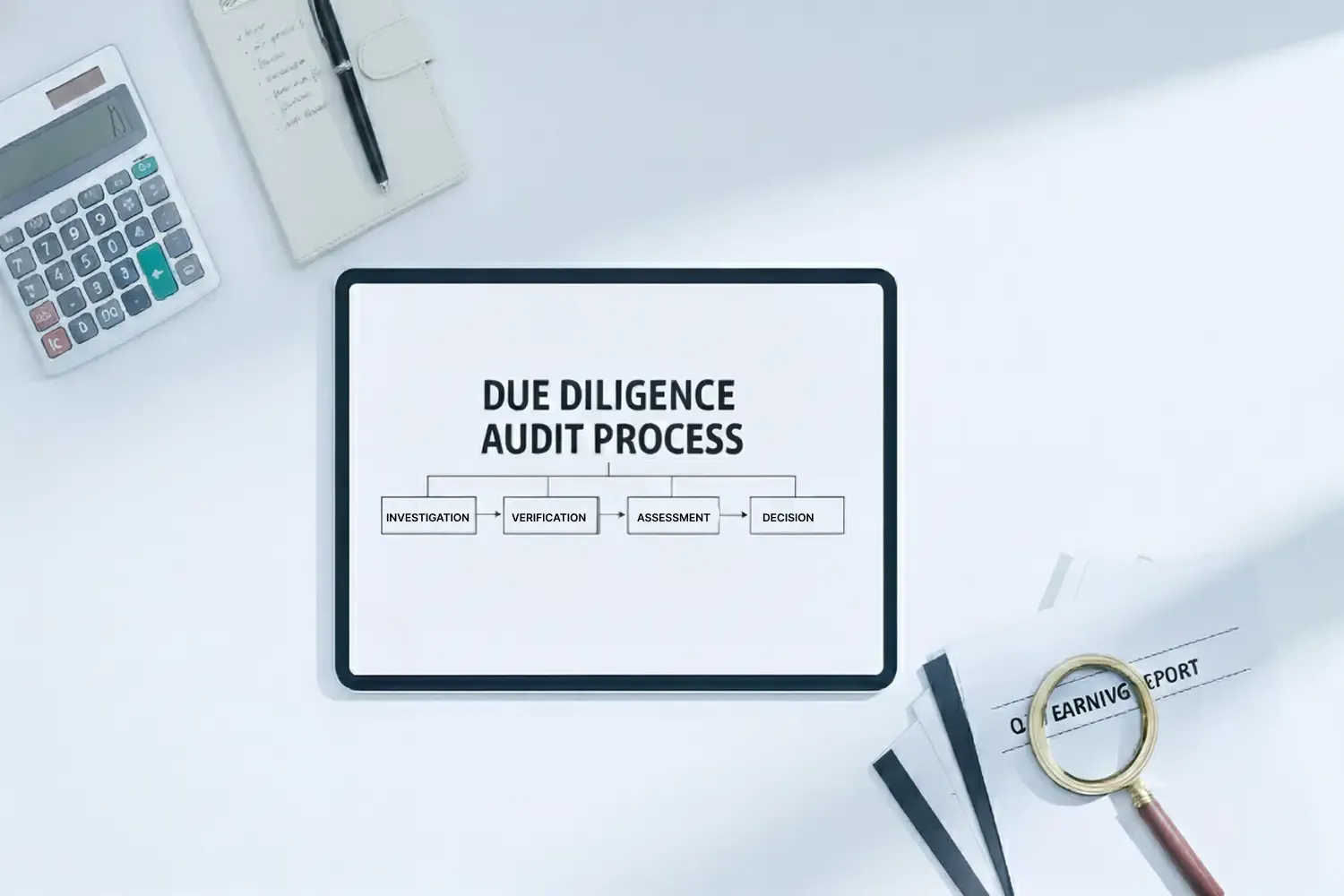
1. Vendor Due Diligence and Background Verification

  • Verify trade licenses issued by the UAE Department of Economic Development (DED) or free zone authorities.
  • Check for sanctions, legal disputes, or regulatory warnings.
  • Conduct financial stability checks, including audited reports, as part of a comprehensive Due Diligence Audit.

2. Regulatory and Legal Compliance

  • Confirm vendor compliance with UAE PDPL (Federal Data Protection Law).
  • For financial vendors: verify adherence to Central Bank outsourcing regulations.
  • For healthcare vendors: ensure compliance with DHA and DOH standards.
  • For international vendors: check GDPR and cross-border data transfer compliance.

3. Contract Management and SLA Controls

  • Ensure contracts include clear liability clauses for data breaches and regulatory violations.
  • Define measurable service level agreements (SLAs) with penalties for non-performance.
  • Ensure contracts are bilingual (English & Arabic) to comply with UAE legal standards.

4. Data Security and Cyber Risk Management

  • Review vendor compliance with ISO 27001, NESA (UAE Information Assurance Standards), or SOC 2 certifications.
  • Confirm implementation of encryption, firewalls, and multi-factor authentication.
  • Verify incident response and breach notification protocols aligned with UAE PDPL.
  • Assess risks of cloud providers hosting data outside the UAE.

5. Operational Risk and Business Continuity

  • Confirm the vendor has a Business Continuity Plan (BCP) aligned with UAE disaster recovery requirements.
  • Check for redundancy measures in supply chain and IT systems.
  • Ensure vendors have sufficient workforce capacity to handle peak demand.

6. Ongoing Monitoring and Reporting

  • Implement periodic vendor management risk assessment reviews.
  • Use automated VRM software solutions to monitor vendor compliance.
  • Track SLA performance quarterly and escalate issues to senior management.
  • Conduct annual vendor audits as part of enterprise risk management.

Benefits of Vendor Risk Management in the UAE

image 2.webp

Implementing and auditing a structured vendor risk management process delivers measurable advantages:

1.Regulatory Protection – Avoid fines by ensuring compliance with UAE PDPL, Central Bank rules, and industry standards.

2.Enhanced Data Security – Protect customer and business data from cyber threats.

3.Improved Vendor Relationships – Establish accountability through contracts and SLAs.

4.Financial Stability – Reduce risk of losses due to vendor insolvency or fraud.

5.Reputational Safeguard – Build stakeholder trust by demonstrating strong governance.

6.Business Continuity – Ensure vendors remain reliable even during disruptions like system outages or geopolitical challenges.

These benefits of vendor risk management position UAE businesses for sustainable growth while minimizing compliance risks.

Best Practices for UAE Businesses Implementing Vendor Risk Management Solutions

To maximize the effectiveness of vendor risk management solutions in the UAE:

  • Adopt a Risk-Tiered Approach – Classify vendors into critical and non-critical categories based on their impact.
  • Localize Compliance – Tailor your vendor audits to UAE-specific regulations (PDPL, Central Bank, DHA, etc.).
  • Automate Monitoring – Use VRM tools integrated with compliance reporting dashboards.
  • Conduct Independent Audits – Partner with external audit firms like Alyah Audit to ensure unbiased assessments.
  • Train Internal Teams – Equip procurement, IT, and compliance teams to identify vendor-related risks early.

Final Thoughts

In the UAE’s rapidly evolving regulatory and digital landscape, vendors are both strategic partners and potential risk sources. A robust risk management audit checklist helps organizations ensure compliance with UAE laws, protect sensitive data, and build resilience against financial and operational disruptions.

At Alyah Audit, we specialize in developing UAE-specific vendor risk management solutions. From designing a tailored vendor risk management checklist to conducting full-scale vendor management risk assessments, we help organizations strengthen governance, improve compliance, and safeguard business continuity.

FAQs

1. What should be included in a vendor risk assessment?

It should cover vendor background checks, regulatory compliance, financial stability, cybersecurity, data protection, and business continuity measures.

2. How to audit vendor management?

By using a structured vendor risk management audit checklist that reviews contracts, compliance, security practices, performance, and ongoing monitoring.

3. What is the ISO standard for vendor risk management?

There isn’t a single ISO just for vendor risk; organizations use ISO 27001 (security), ISO 22301 (continuity), and ISO 31000 (risk management).

4. How to manage vendor risk?

Through due diligence, risk-tiering vendors, strong contracts, regular audits, compliance checks, and continuous monitoring.

5. What are the objectives of vendor audit?

To ensure vendors comply with legal, regulatory, and contractual obligations while safeguarding operational efficiency and data security.

6. What is the vendor risk management standard?

Global frameworks like ISO 31000 and ISO 27001, along with local UAE regulations like PDPL and Central Bank outsourcing rules.

7. How does vendor management reduce risk?

It sets clear accountability, monitors compliance, and ensures vendors align with your security, quality, and business continuity standards.

8. What is the objective of vendor risk management?

To protect the organization from financial, operational, reputational, and compliance risks arising from third-party relationships.

More Updates

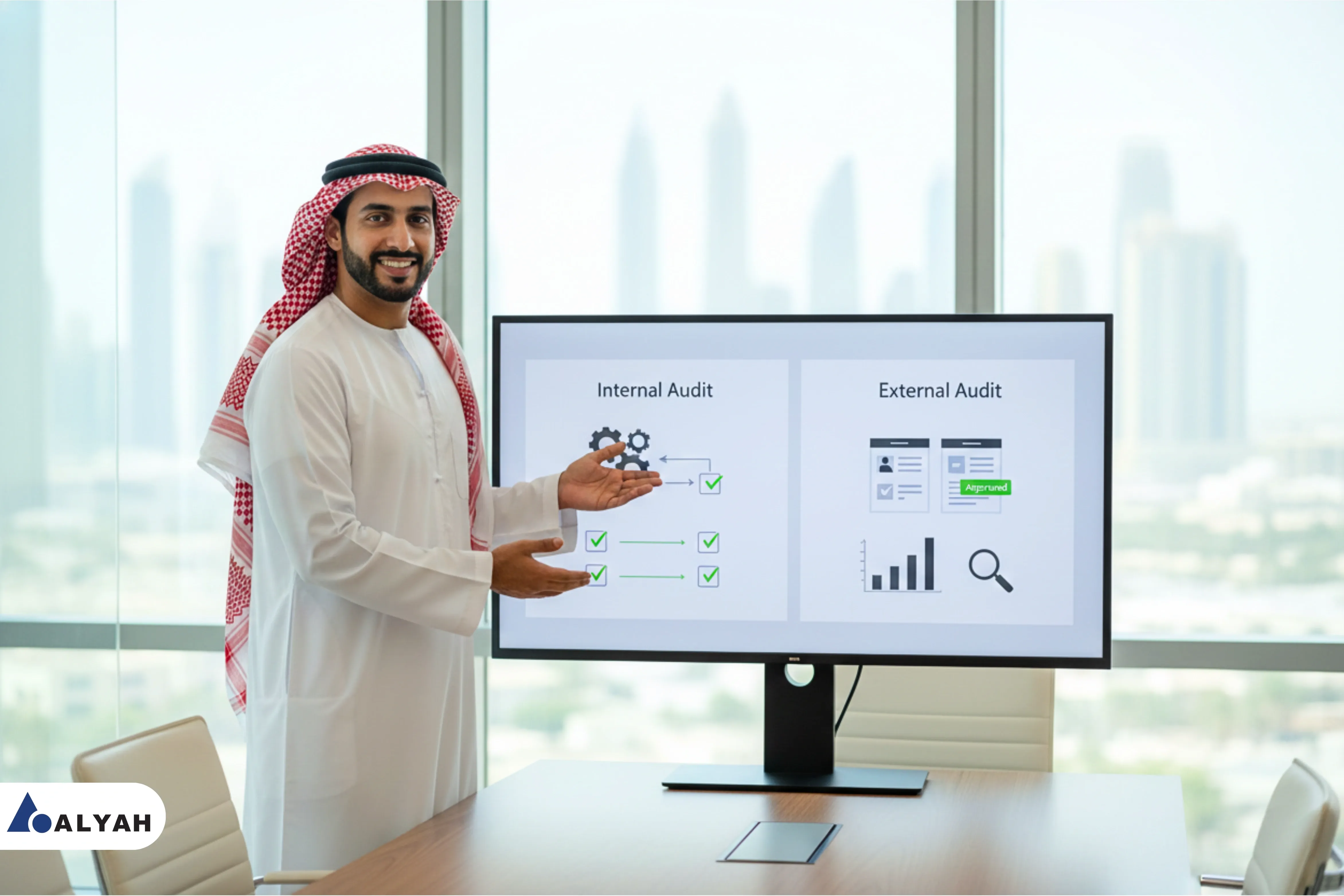
Internal Audit vs External Audit in UAE : Which One Does Your Business Need?
When Should Dubai Businesses Hire External Auditors in 2026?
What is a Due Diligence Audit? Definition & Checklist for Businesses in Dubai & the UAE

Integrity in numbers, trust in service. Connect with Dubai’s reliable auditing team and move forward with confidence.

CEO at ALYAH

Corporate Office

ALYAH
Unit Number: 2401
Preatoni Tower, Cluster L, JLT, Dubai

CEO at ALYAH

Phone

+971 42873327

CEO at ALYAH

Email

sales@alyahaudit.ae

We will reach out to you in about 20 minutes.

Click to open in Google Maps

Copyright © 2025 ALYAH. All rights reserved.