
FROM OUR BLOG
January 12, 2026

Running a business in the UAE today comes with increased regulatory scrutiny. With the Federal Tax Authority (FTA) actively monitoring compliance, even small oversights can trigger audits, penalties, or formal investigations. Many UAE businesses assume audits only happen when something goes seriously wrong — but in reality, specific audit red flags quietly attract FTA attention long before a notice is issued.
Understanding these red flags early can help businesses stay compliant, reduce risk, and avoid unnecessary financial or legal stress.

The FTA does not select businesses randomly. Audit selection is often driven by patterns, inconsistencies, and behavioural indicators found in tax filings, accounting records, and operational data.
When these indicators appear repeatedly or remain unresolved, they raise compliance concerns. Businesses that proactively identify and correct such issues significantly lower their audit risk.
One of the most common audit red flags is mismatch between financial statements, VAT returns, and tax filings.
Examples include:
Such inconsistencies suggest weak internal controls and often prompt deeper review by authorities.
Repeated delays in VAT return submissions or frequent errors in filings are strong warning signals. Even if tax amounts are eventually paid, late or inaccurate reporting indicates compliance weaknesses.
Common issues include:
Over time, these patterns increase the likelihood of an FTA audit.

Claiming unusually high expenses or excessive input VAT compared to industry benchmarks can raise questions.
Businesses often get flagged for:
If expense ratios appear abnormal, the FTA may investigate further to verify legitimacy.
FTA regulations require businesses to maintain proper records for several years. Missing or poorly organised documents make it difficult to substantiate tax positions during reviews.
Red flags include:
Even compliant businesses face penalties if they cannot produce required records during an audit.
Fast growth is positive, but uncontrolled expansion without proper accounting systems can trigger compliance risks.
This often happens when:
Authorities may view this as a risk area, especially for VAT and corporate tax compliance.
Transactions between related entities attract additional scrutiny. Without proper documentation or pricing justification, these transactions can appear misleading.
Issues arise when:
Such cases often escalate into detailed audit reviews.
Occasional corrections are normal. However, frequent amendments to tax returns or financial data signal instability or inaccurate reporting processes.
This suggests:
Over time, this pattern draws attention from regulatory authorities.
The good news is that most audit red flags are preventable. Businesses that focus on accuracy, transparency, and proactive compliance significantly reduce their exposure.
Best practices include:
Early detection is always easier — and cheaper — than responding to an audit notice.
Navigating UAE tax and audit regulations has become increasingly complex, especially with the introduction of corporate tax. Businesses that rely solely on reactive compliance often face avoidable penalties and disruptions.
Working with experienced professionals helps identify red flags early, strengthen internal systems, and ensure long-term compliance. At Alyah Audit, businesses receive proactive audit, tax, and compliance support designed to reduce risk, improve reporting accuracy, and keep operations aligned with UAE regulatory requirements.
The FTA uses risk-based assessment methods, including data analytics, industry benchmarks, and filing behaviour, to identify businesses that require closer review.
Yes. While some audits are announced in advance, the FTA can also conduct unannounced inspections, especially if compliance risks are identified.
Yes. With corporate tax in place, inconsistencies between financial statements, VAT returns, and corporate tax filings can increase audit exposure.
Businesses should maintain financial statements, tax invoices, contracts, bank records, payroll data, and reconciliation reports in an organised and accessible format.
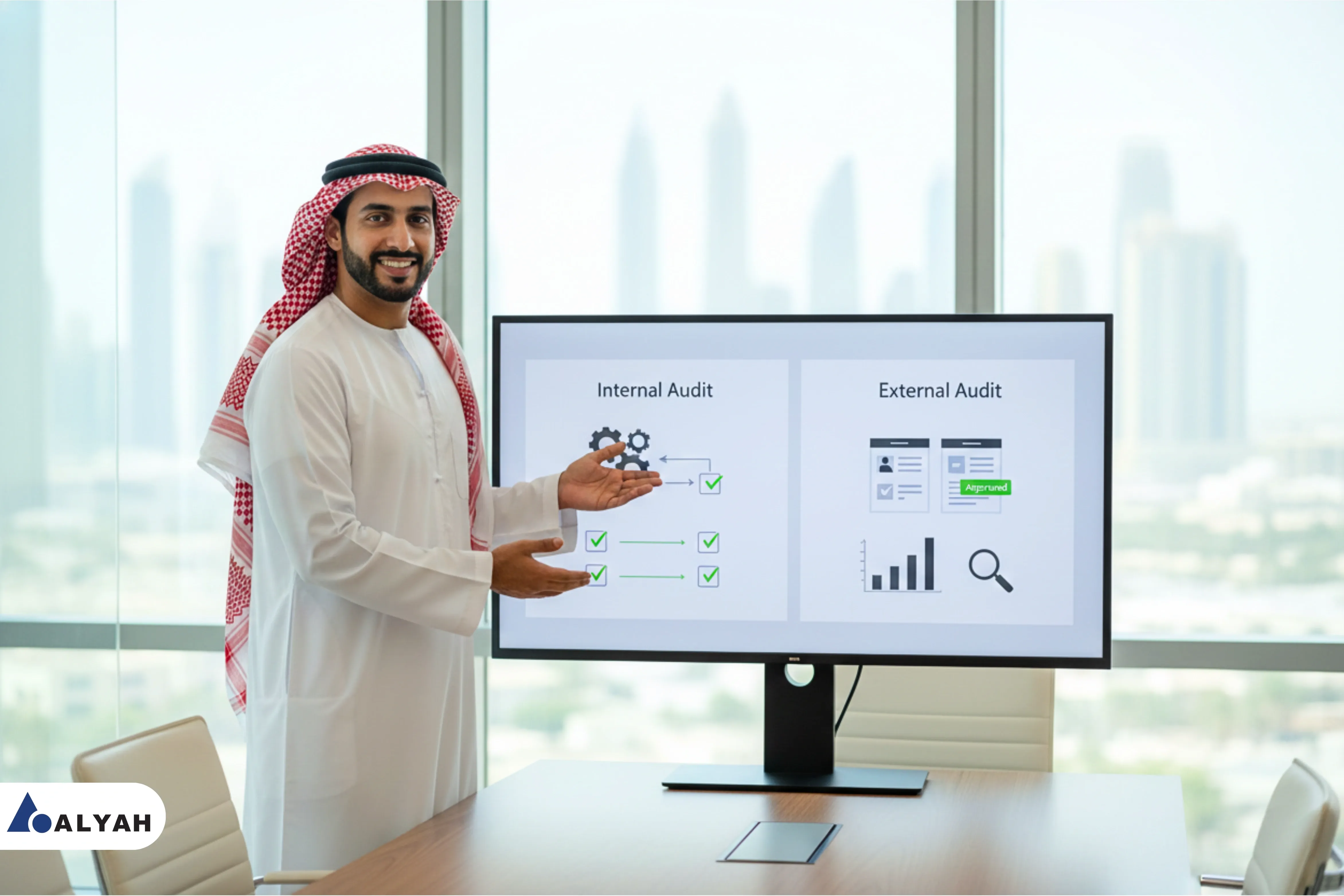
Yes. Voluntary internal audits help identify compliance gaps early and significantly reduce the risk of penalties or regulatory action.


ALYAH
Unit Number: 2401
Preatoni Tower, Cluster L, JLT, Dubai

+971 42873327

sales@alyahaudit.ae
Click to open in Google Maps