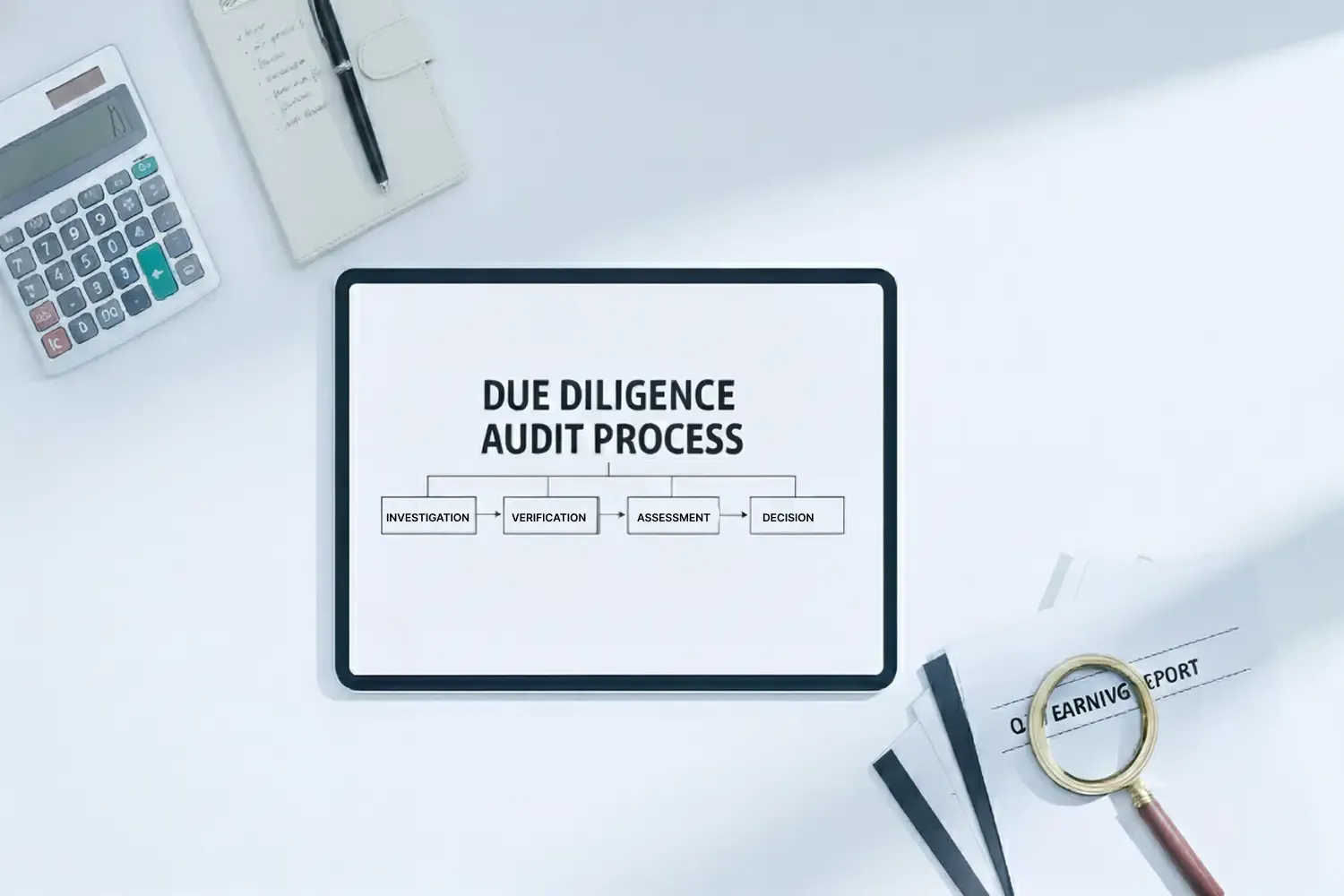
Running a business in the UAE means staying ahead of fast-evolving compliance, tax, and reporting regulations. As we move into 2026, Dubai businesses must be prepared for stricter documentation standards, tighter audit scrutiny, and enhanced transparency requirements driven by digital transformation and corporate tax reforms.
An audit checklist has now become a critical tool not just for compliance, but for protecting business assets, preventing financial risks, and ensuring operational clarity. Whether you’re an SME, a growing startup, or an enterprise, having a structured audit checklist ensures smooth operations and full compliance with UAE laws.
What is an Audit Checklist?
An audit checklist is a structured document outlining all the essential items, processes, and documents a business must review during an internal or external audit.
Purpose of an Audit Checklist
Establish consistency and transparency in audit processes
Ensure no financial or compliance documents are missed
Help businesses stay compliant with UAE laws
Provide auditors with clear, organized records and evidence
In short, it is the backbone of a smooth, error-free audit process.
Why Dubai Businesses Need a 2026 - Ready Audit Checklist
The UAE is undergoing major shifts in auditing and compliance regulations. A future-ready audit checklist helps businesses keep pace with:
1. New Regulatory Updates
Corporate Tax Law, AML/CFT updates, ESR reporting norms, and VAT compliance checks will require more documentation and audit-ready records in 2026.
2. Rise in Digital Transactions
More businesses are shifting to online platforms and digital invoicing systems. This means:
3. Structured Audits for SMEs & Large Firms
From small trading companies to multinational corporations, audit consistency is essential to avoid penalties and financial discrepancies.
4. Support from a Professional Auditing Firm
Alyah Audit helps businesses prepare a robust, customized 2026 audit checklist that ensures accuracy, compliance, and complete transparency.
Comprehensive Audit Checklist for Dubai Businesses in 2026
Below is a detailed breakdown aligned with your supporting keywords such as sales audit checklist, stock audit checklist, asset audit checklist, due diligence audit checklist, etc.
1. General Audit Checklist
A general audit ensures financial accuracy, compliance, and transparent business operations.
Financial Documentation
Check monthly, quarterly, and annual reports.
Verify balance sheet figures and classifications.
Internal Controls
Ensure proper approval workflows for financial activities.
Confirm segregation of duties across key functions.
Review fraud prevention and detection mechanisms.
Revenue & Expense Review
Verify correct expense categorization and approvals.
Review all revenue streams and supporting documents.
Check vendor and contractor payments for accuracy.
Compliance Documents
Review corporate tax records and submissions.
Check AML/CFT documentation for regulatory compliance.
Verify ESR reports and relevant filings.
Bank Reconciliation
Match bank statements with accounting system records.
Identify and resolve unreconciled transactions.
Verify cheques, payments, and online transfers.
Payroll Records
Review employee contracts and documentation.
Check allowances, bonuses, and deductions for accuracy.
2. Sales Audit Checklist
A sales audit checklist ensures revenue accuracy and detects inconsistencies early.
Verify all invoices against actual sales to ensure accuracy.
Cross-check POS system reports for consistency with recorded transactions.
Review discount policies and credit notes for proper authorization.
Track revenue leakages to identify missing or unrecorded income.
Verify signed contracts and sales agreements to confirm legitimacy.
Perform fraud detection checks for unusual or suspicious activities.
Ensure all invoices comply with UAE VAT documentation requirements.
3. Stock Audit Checklist
A solid stock audit checklist is crucial for trading, retail, F&B, manufacturing, and e-commerce businesses.
Conduct a physical inventory count to verify actual stock.
Compare physical stock with system-recorded stock for discrepancies.
Evaluate purchase records and stock movement logs for accuracy.
Review shrinkage and spoilage data to identify losses.
Inspect warehouse conditions and storage standards for compliance.
Verify supplier invoices, GRNs, and delivery notes for completeness.
Ensure asset tagging and SKU codes are accurate and updated.
4. Asset Audit Checklist
An asset audit checklist helps maintain clarity over equipment, fixed assets, and company property.
Update the fixed asset register to reflect current asset status.
Verify ownership documents for all recorded assets.
Check depreciation schedules to ensure correct accounting treatment.
Review maintenance and servicing logs for asset performance tracking.
Inspect asset tags such as barcodes or RFID labels for accuracy.
Record the disposal or retirement of outdated or unused assets properly.
5. Due Diligence Audit Checklist
A due diligence audit checklist is essential for mergers, acquisitions, investment decisions, and expansion plans.
Review the company's financial health through detailed statements.
Analyze legal liabilities and historical disputes for risk assessment.
Verify compliance with all relevant UAE regulations and laws.
Conduct background checks on vendors, clients, and key partners.
Validate contracts and obligations to confirm authenticity and accuracy.
Assess operational and financial risks that may impact future growth.
Industry-Specific Audit Checklist for Dubai Businesses
Real Estate Companies
Ensure full RERA compliance across all operational and financial activities.
Review contracts and escrow account statements for accuracy and legality.
Verify all property transfer documents for completeness and authenticity.
F&B Businesses
Track inventory levels and wastage to control costs and prevent losses.
Review supplier agreements to validate pricing, terms, and compliance.
Check POS data and menu pricing to ensure accurate revenue reporting.
E-commerce
Reconcile customer orders with system and payment records.
Track refunds and returns to prevent revenue leakage and fraud.
Verify stock-to-system accuracy to maintain inventory integrity.
Trading Companies
Review supplier contracts to confirm terms, pricing, and authenticity.
Monitor inventory control processes to prevent shortages and overstocking.
Manufacturing Units
Compare production output with material consumption to detect variances.
Review machinery maintenance logs to ensure operational efficiency.
Validate quality control documentation for compliance and product standards.
Service Providers
Review client contracts to ensure clear scope, terms, and responsibilities.
Track service delivery records to verify completion and accuracy.
Assess resource utilization to improve productivity and cost efficiency.
Common Audit Errors Dubai Businesses Make (and How to Avoid Them)
Even established companies make mistakes that lead to penalties or audit delays.
Common Errors
Missing or incomplete documentation
Manual records causing mismatches
Poor inventory and stock tracking
Unverified vendor or customer data
How to Avoid Them
With Alyah Audit’s expert auditors, businesses get:
Accurate, structured financial records
Strong internal control systems
Updated compliance support
Reduced financial and operational risks
How an Auditing Firm in Dubai Helps You Stay Compliant in 2026
Choosing a Top Auditing Firm in Dubai ensures:
Full compliance with UAE VAT & Corporate Tax
Fraud detection & risk prevention
Professional guidance from certified auditors
Customized audit checklists for your industry
Better decision-making based on accurate data
Why Choose Alyah Audit as Your Auditing Firm in Dubai?
Alyah Auditing stands out as a trusted partner for Dubai businesses due to:
Our USPs
Certified audit professionals with UAE market expertise
Industry-specific audit support across real estate, trading, F&B, e-commerce & manufacturing
Technology-led auditing processes for accuracy
Transparent pricing with no hidden fees
Complete compliance support for Corporate Tax, VAT & AML
Reliable & accurate results tailored for business growth
Alyah Audit ensures your business enters 2026 with complete confidence and compliance.
Conclusion
A 2026-ready audit checklist is essential for businesses in Dubai looking to stay compliant, transparent, and financially secure. With increasing regulations and digital documentation requirements, a structured audit process is no longer optional; it's mandatory.
We also recommend reviewing our guide on How a Vendor Risk Management Audit Checklist Can Safeguard Your Organization, which explains how third-party risks impact your overall audit strategy.
Partnering with Alyah Audit ensures expert guidance, accurate reporting, and peace of mind. Whether you need a general audit, sales audit, stock audit, asset audit, or due diligence audit, Alyah Audit delivers industry-leading accuracy and compliance.
FAQs
1. What is an audit checklist?
A structured list of documents and processes needed to conduct internal or external audits.
2. Why is auditing important for Dubai businesses?
To ensure compliance with UAE Corporate Tax, VAT, AML, and financial reporting laws.
3. How often should a business conduct an audit?
Annually, or quarterly for high-risk and high-volume businesses.
4. Who prepares an audit checklist?
Internal finance teams or a professional auditing firm like Alyah Audit.
5. What industries need audits in Dubai?
Real estate, trading, e-commerce, F&B, manufacturing, and professional services
6. What documents are required for an audit in Dubai?
Typically, businesses must provide financial statements, bank statements, invoices, contracts, payroll records, VAT filings, corporate tax records, and internal control documents.
7. How long does a business audit take in the UAE?
The duration varies based on company size and documentation quality—usually between 1 to 4 weeks for SMEs and longer for large enterprises.
8. Who is required to have audited financial statements in Dubai?
Most Free Zone companies, LLCs, foreign-owned entities, and Corporate Tax–liable businesses must maintain audited financial statements.
9. Can audits help detect internal fraud?
Yes. A structured audit checklist helps identify unusual transactions, unauthorized payments, falsified invoices, and revenue leakages.
10. What happens if a business fails an audit?
It may face penalties, compliance warnings, operational delays, or financial discrepancies requiring correction before regulatory submission.